
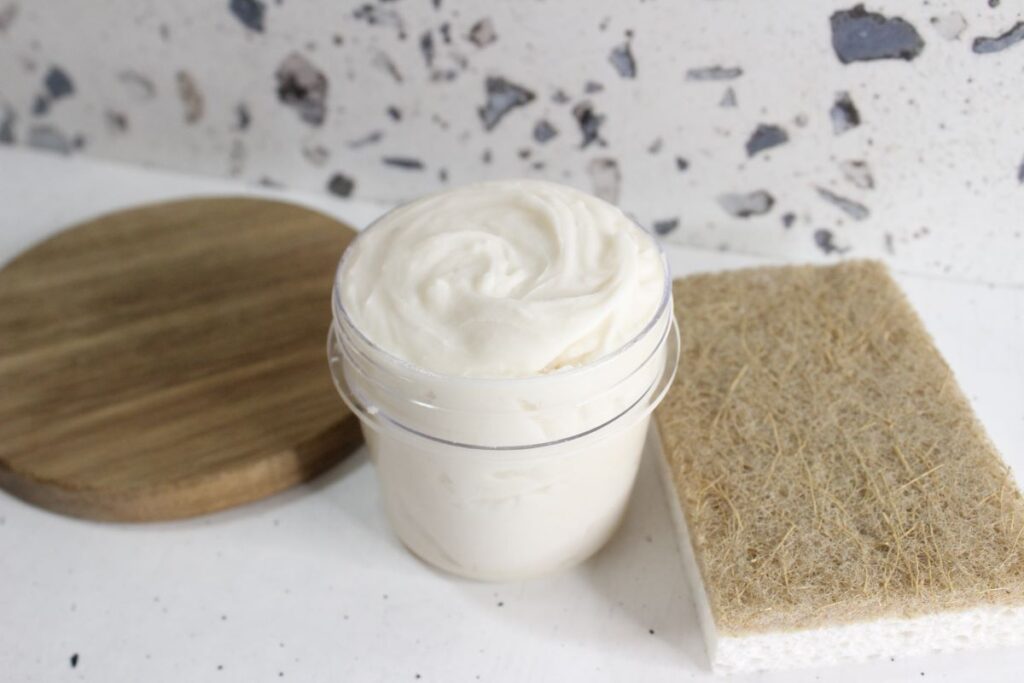
Tackling grimy grout not only revitalizes the look of your tiles but also brightens your entire space, making it feel cleaner and more welcoming. Not only that, but you will welcome the subtle smell of lemon rather than the harsh smell of other cleaners.
Store-bought conventional cleaners often contain harsh chemicals that can erode grout over time and pose health risks, especially in homes with children and pets. By making your own grout cleaner using natural ingredients, you gain control over what you’re using in your home and reduce exposure to toxic substances.
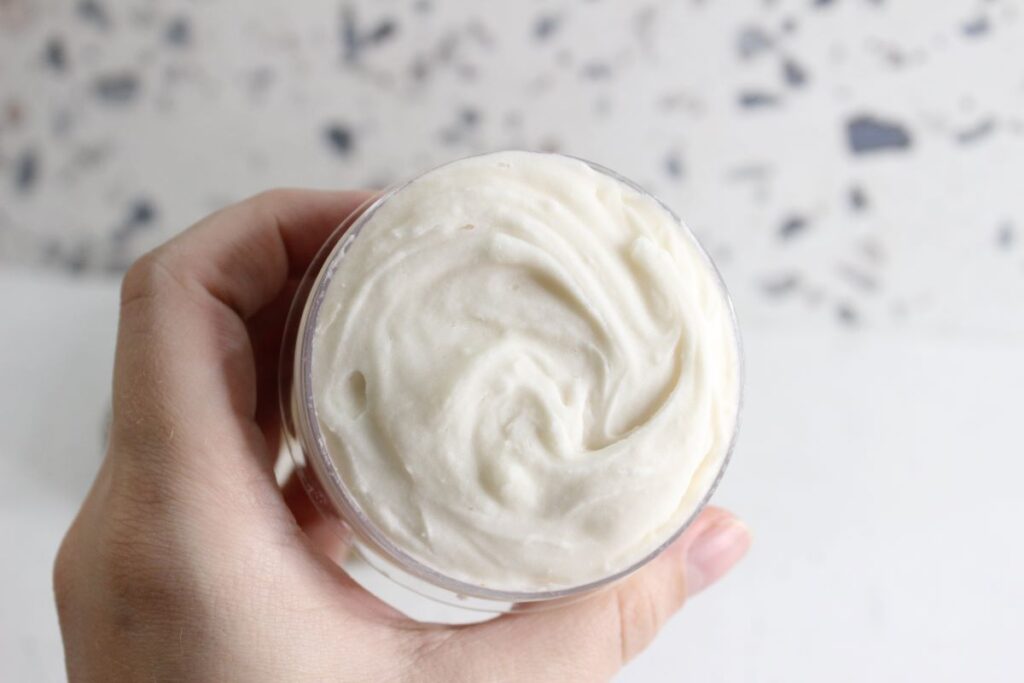
The Benefits of Natural Ingredients for Grout Cleaning
This DIY grout cleaner leverages ingredients like baking soda and lemon juice, which are effective at removing dirt and mildew without the drawbacks of chemical alternatives. Baking soda acts as a mild abrasive that cleans without scratching tiles or grout, while lemon juice’s natural acidity helps dissolve tough grime and brighten grout lines. Together, they create a powerful cleaner that’s safe for most grout and tile types.
Grout Cleaner Ingredients
- Baking Soda: 6 tablespoons (acts as a gentle abrasive and natural whitening agent)
- Castile Soap: 4 tablespoons (serves as a natural, biodegradable cleaner)
- Lemon Juice: 1 tablespoon (helps break down grime with its natural acidity)
- Essential Oils: 20 drops (optional, for added fragrance and antibacterial properties)

Instructions
- Mix Base: Combine the baking soda with the castile soap in a bowl. Mix them together until they form a paste.
- Add Lemon Juice: Slowly stir in the lemon juice. Expect some bubbling as the acid reacts with the baking soda, which is normal. Stir until the reaction subsides and the mixture is smooth.
- Incorporate Essential Oils: If using, add your choice of essential oils to the mixture for a pleasant scent and additional cleaning properties.
How to Use DIY Grout Cleaner
Apply the paste directly onto the grout lines with a brush or an old toothbrush. Allow it to sit for several minutes to penetrate and loosen the dirt. Scrub the area with the brush, then rinse thoroughly with water to reveal cleaner, brighter grout lines.

Storage and Precautions
Store any leftover cleaner in an airtight container for up to two weeks. Always label homemade cleaners, especially if they contain essential oils, and keep them out of reach of children and pets. Before using, test the cleaner on a small, inconspicuous area of your grout to ensure it doesn’t cause discoloration.
Disclaimer: These statements have not been evaluated by the Food and Drug Administration. The content of this article, provided by The Happy Body Project (Holistic Fit LLC), is for informational purposes only and does not constitute medical advice. It is not a substitute for professional advice, diagnosis, or treatment. Always consult a qualified healthcare provider with questions about medical conditions or new products. If you suspect a medical condition, seek immediate attention. Do not delay or disregard medical advice based on this information. Suggestions for homemade products are for informational purposes only and should be made and used at your own risk. Reliance on any information in this article is solely at your discretion.