
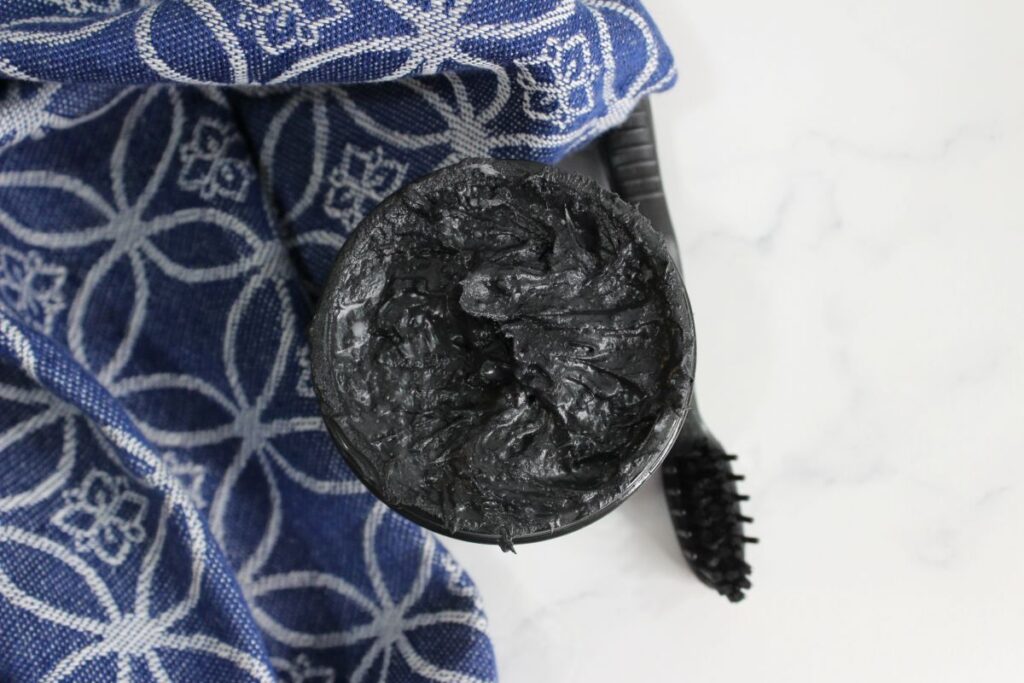
Have you ever considered making your own toothpaste? Many commercial toothpastes contain synthetic additives, artificial sweeteners, and potentially harmful chemicals. If you’re looking for a cleaner, more natural way to care for your teeth, DIY toothpaste can be a great alternative. This activated charcoal toothpaste is simple to create, uses easily accessible ingredients, and offers a holistic approach to oral care.

Why Choose Activated Charcoal Toothpaste?
Activated charcoal is gaining popularity as a natural ingredient in oral hygiene products. It’s known for its ability to bind to toxins, making it effective for removing surface stains and promoting a cleaner mouth feel. The fine, porous texture of activated charcoal allows it to trap particles and impurities on the teeth’s surface. But before using it daily, it’s important to understand both its benefits and limitations. Due to its abrasiveness, it’s recommended to use charcoal toothpaste occasionally rather than as a daily staple, to prevent damage to tooth enamel.
Why Include Calcium Carbonate in Your Toothpaste?
Calcium carbonate is another important ingredient in this recipe. Often found in many over-the-counter toothpastes, it acts as a mild abrasive that helps to polish teeth and remove plaque. Unlike some harsher compounds, calcium carbonate is gentle enough to clean without wearing down enamel. It’s also a source of calcium, which is essential for keeping teeth strong and healthy.

How to Use Your DIY Toothpaste
Making this natural toothpaste at home is straightforward, but using it correctly is just as important. Since activated charcoal is a stronger abrasive, it’s best to use this toothpaste 2-3 times a week. Apply a small amount to your toothbrush, brush gently, and rinse thoroughly. Always follow up with a fluoride-free mouth rinse if you prefer an added layer of oral care.
Tips for Customizing Your Toothpaste
You can customize your toothpaste based on personal preferences:
- Sweeten it Naturally: Consider adding a small amount of xylitol powder for a subtle sweetness and to help reduce bacterial growth.
- Essential Oils: If you want a refreshing flavor, add 3-5 drops of peppermint, tea tree, or clove essential oil. This will not only provide a pleasant taste but can also contribute additional antibacterial properties.

Final Thoughts
Switching to a natural toothpaste like this one can be a positive step toward cleaner and more transparent oral care. By choosing ingredients such as activated charcoal and calcium carbonate, you can support your dental health in a more holistic way. Just remember that DIY toothpaste should complement, not replace, professional dental advice. Make sure to consult your dentist if you have any concerns or conditions that require specialized care.
With just a few ingredients, you can create a toothpaste that works for your needs, offers natural whitening properties, and avoids potentially harmful chemicals. Enjoy the process of making it and experience the difference of an all-natural toothpaste in your daily routine!
Disclaimer: These statements have not been evaluated by the Food and Drug Administration. The content of this article, provided by The Happy Body Project (Holistic Fit LLC), is for informational purposes only and does not constitute medical advice. It is not a substitute for professional advice, diagnosis, or treatment. Always consult a qualified healthcare provider with questions about medical conditions or new products. If you suspect a medical condition, seek immediate attention. Do not delay or disregard medical advice based on this information. Suggestions for homemade products are for informational purposes only and should be made and used at your own risk. Reliance on any information in this article is solely at your discretion.