
Thickening soups and sauces effectively can greatly improve their texture and taste. For those avoiding gluten or looking to try new methods in the kitchen, alternative thickeners offer options when flour isn’t an option.
Below, are several non-flour thickeners that help achieve the desired consistency in your dishes.
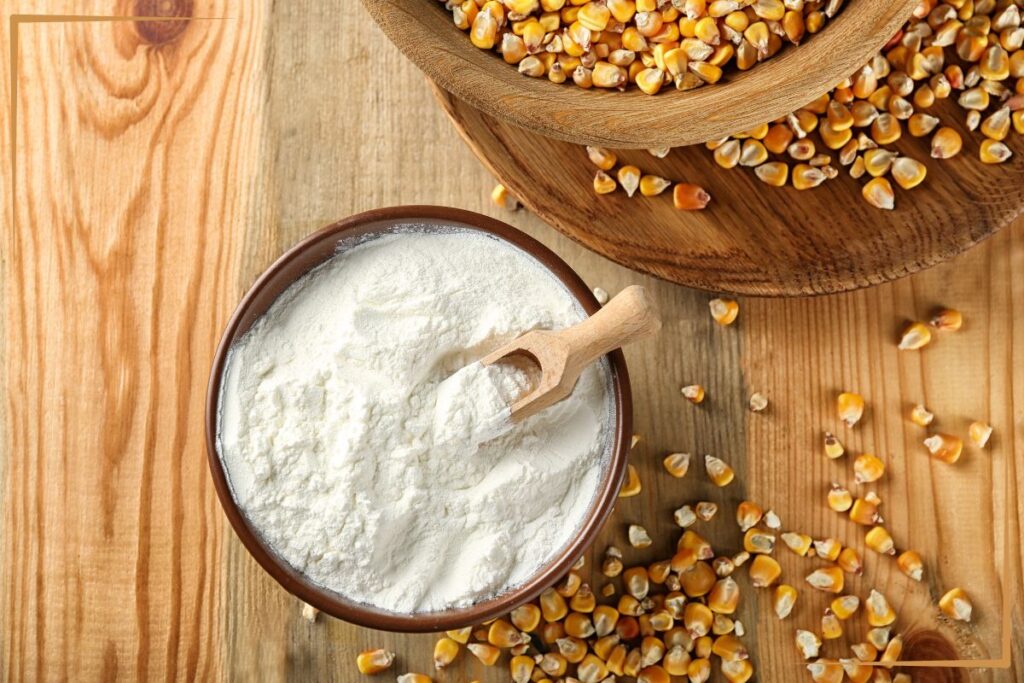
Cornstarch
Cornstarch is a popular thickener that’s gluten-free but not grain-free. It creates a clear, shiny sauce without the cloudiness that flour can sometimes cause. To use it, mix cornstarch with an equal part of cold water to make a slurry, then stir this into your simmering sauce or soup. Remember, cornstarch loses its thickening power at very high temperatures, so add it toward the end of cooking.
Arrowroot
Arrowroot is an excellent, gluten-free, and paleo-friendly thickener that works well for those avoiding corn. It has a neutral taste and withstands different cooking temperatures better than cornstarch. Use arrowroot like cornstarch by mixing it with cold water before adding it to your dish. It’s ideal for foods that require freezing, as it doesn’t break down during thawing.
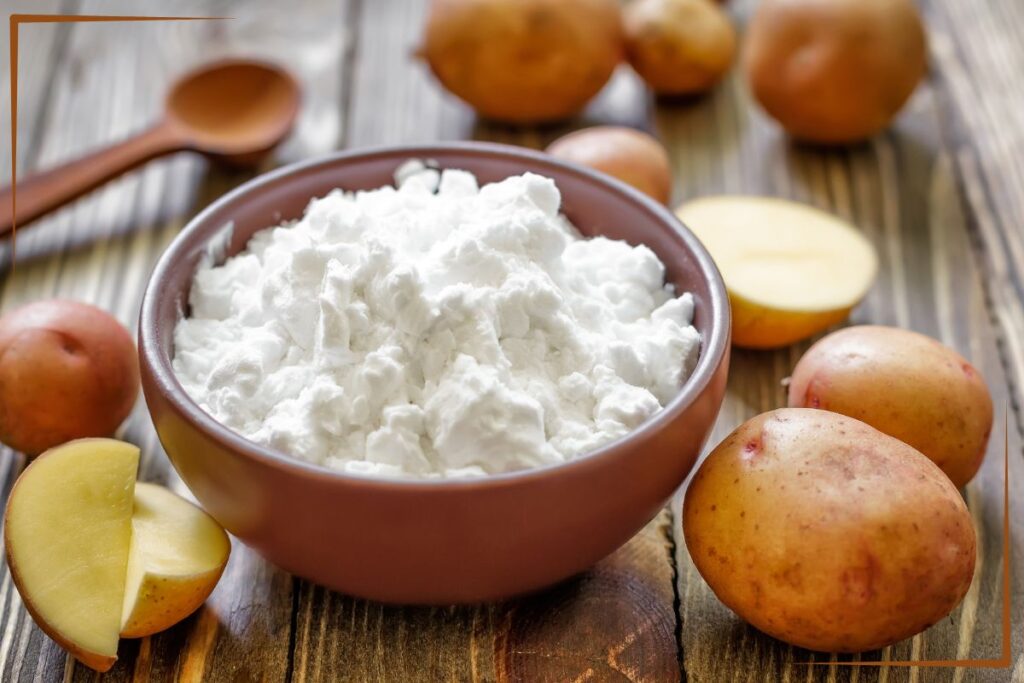
Potato Starch
Potato starch offers a fantastic thickening option, especially for those looking for a neutral flavor and a clear finish. Like cornstarch and arrowroot, mix it with cold water first to prevent clumps. Potato starch should be added at the end of cooking, as prolonged heat can cause it to lose its thickening abilities.
Pureed Vegetables
Pureed vegetables are a wholesome way to thicken soups and sauces while enhancing their nutritional profile. Potatoes, carrots, and cauliflower work well. Simply cook these vegetables until tender, blend until smooth, and mix them back into your dish. This method is ideal for thickening and enriching stews and chunky soups.
Agar-Agar
For a plant-based, grain-free option, agar-agar works well, especially in recipes that require a firmer texture. Agar needs to boil for a few minutes to activate its thickening properties. It’s a great choice for vegan recipes needing a gelatin-like consistency.
Xanthan Gum
Xanthan gum is highly potent—a little goes a long way. Just a small amount can significantly thicken a dish. It’s gluten-free and ideal for sauces that need a silky texture. Because of its potency, start with a tiny pinch and increase as needed. Xanthan gum works instantly, allowing you to adjust your dish on the go.
Each of these alternatives offers unique benefits, allowing you to cater to dietary needs and achieve the desired texture. By integrating these thickeners into your cooking, you can create thick, rich textures in every dish.