
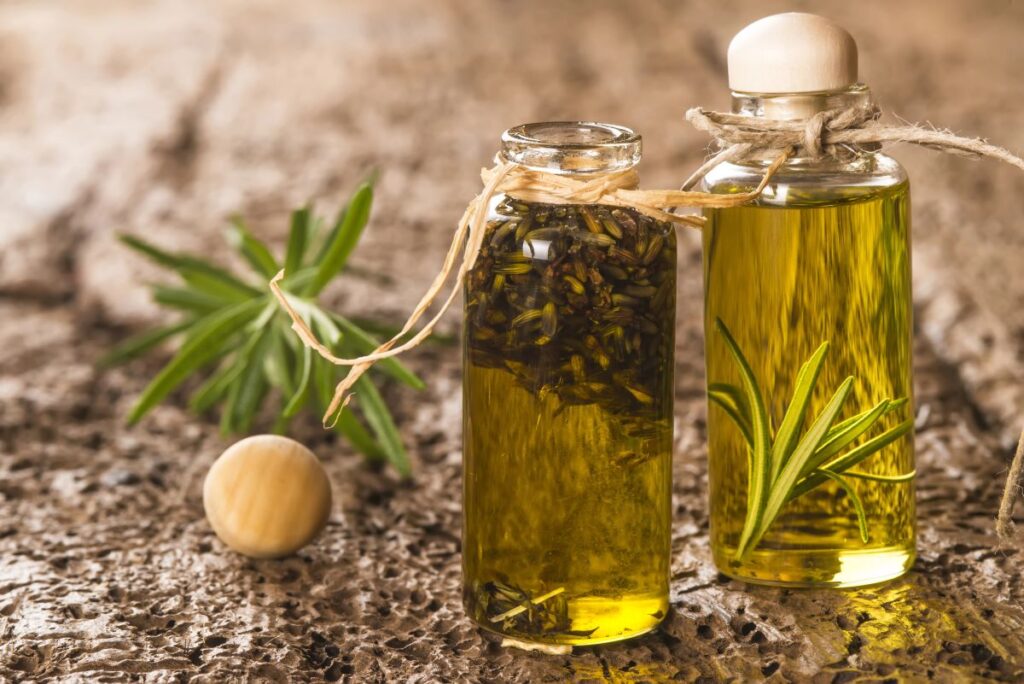
Herb-infused oils are a delightful addition to any kitchen or skincare regimen, offering a way to harness the flavors and medicinal properties of herbs. Whether enhancing your cooking with aromatic oils or creating natural skincare products, learning how to infuse oils with herbs is a valuable skill that adds a personal touch to your creations.
Why Make Herb-Infused Oils?
Infused oils bring out the best in herbs, making them more usable and beneficial for various applications:
- Enhanced Flavors: In culinary uses, infused oils introduce complex, subtle flavors that can transform ordinary meals into extraordinary dishes.
- Health Benefits: Many herbs carry antioxidants, anti-inflammatory agents, and vitamins that can be effectively transferred to oils, making them potent additions to both dietary and skincare routines, such as this
- Custom Creations: Making your own infusions allows you to experiment with unique herb combinations that are tailored to your taste or health needs.
- Economical and Sustainable: DIY methods reduce the need for commercially prepared products and allow you to use locally sourced or homegrown herbs, cutting down on waste and cost.

Methods of Infusing Herbs in Oil
Here are some effective techniques for infusing oils, each suited to different types of herbs and end uses:
1. Cold Infusion
The cold infusion method is perfect for preserving the raw, natural qualities of delicate herbs without the risk of overheating.
- Ingredients: Select a high-quality carrier oil—like grapeseed or jojoba—and your choice of fresh or dried herbs.
- Process: Fill a clean jar with herbs, then pour oil over them until completely submerged. Close the jar tightly and store it in a dark, cool place for about 2-4 weeks, shaking it periodically to distribute the herb essences evenly.
- Strain: Use cheesecloth or a fine strainer to strain the oil into a clean bottle, ensuring all plant matter is removed to prevent spoilage.
2. Hot Infusion
For tougher herbs or when you’re short on time, hot infusion extracts flavors and medicinal properties more quickly and efficiently.
- Ingredients: Choose robust herbs and a carrier oil suitable for heating, like coconut or sweet almond oil.
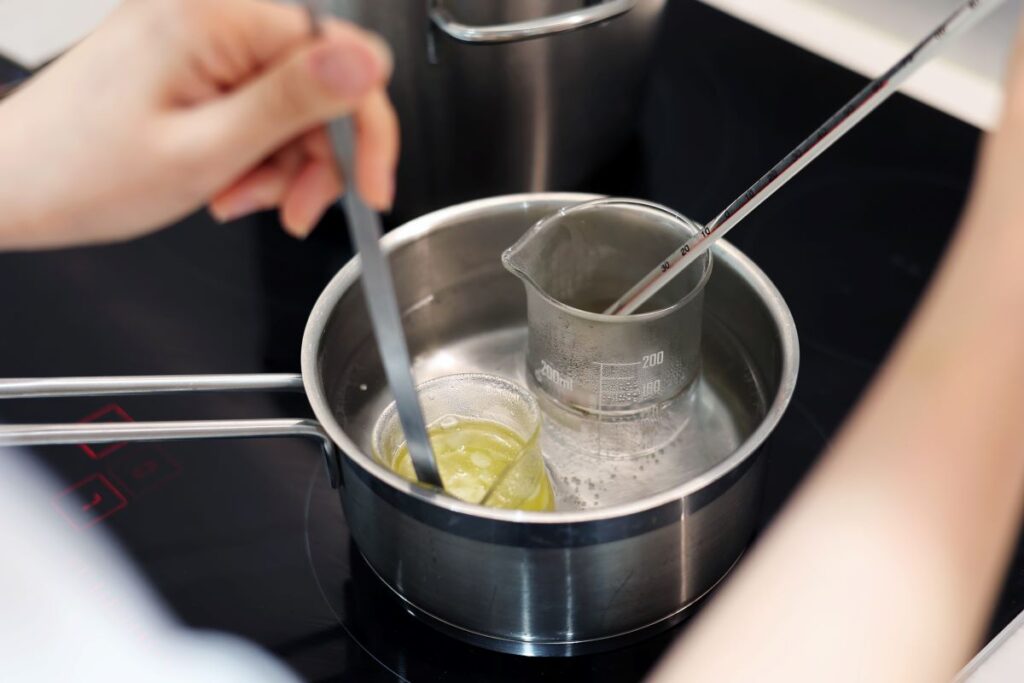
- Process: Combine herbs and oil in a double boiler, keeping the heat low to avoid frying the herbs. Gently warm the mixture for 2-5 hours, allowing the heat to coax the oils from the herbs.
- Strain: While still warm, strain the oil through a fine mesh or cheesecloth into a storage container.
Using Your Infused Oils
- In the Kitchen: Drizzle herb-infused oils over cooked dishes, blend them into salad dressings, or use them as bases for marinades to add depth and flavor.
- For Skincare: Use infused oils in homemade lotions, balms (like this Rosemary Tallow Balm), or directly on the skin for massage oils, benefiting from the herbs’ therapeutic properties. Before putting on skin, however, always know what the properties of the oils are.
- Wellness Applications: Incorporate infused oils into wellness practices by using them in aromatherapy or topical applications to soothe, heal, or invigorate.

Storage and Care
To ensure longevity, store your infused oils in amber or dark glass bottles in a cool, dark place. Typically, these oils remain fresh for up to a year if properly stored. Always check for any signs of mold or unusual odors before use, particularly if you used fresh herbs, as they contain moisture that can lead to spoilage.
Creating herb-infused oils at home is a straightforward and enjoyable process that can elevate your cooking and skincare routines while offering health benefits. Start with these methods and explore the diverse world of herbal infusions to discover all they have to offer.
Disclaimer: These statements have not been evaluated by the Food and Drug Administration. The content of this article, provided by The Happy Body Project (Holistic Fit LLC), is for informational purposes only and does not constitute medical advice. It is not a substitute for professional advice, diagnosis, or treatment. Always consult a qualified healthcare provider with questions about medical conditions or new products. If you suspect a medical condition, seek immediate attention. Do not delay or disregard medical advice based on this information. Suggestions for homemade products are for informational purposes only and should be made and used at your own risk. Reliance on any information in this article is solely at your discretion.