

Beef tallow, a traditional cooking fat, has stood the test of time for good reason. It’s versatile, flavorful, and incredibly easy to make at home. Unlike store-bought versions that often come with preservatives or unnecessary additives, homemade beef tallow gives you the satisfaction of a clean, pure, and natural product.
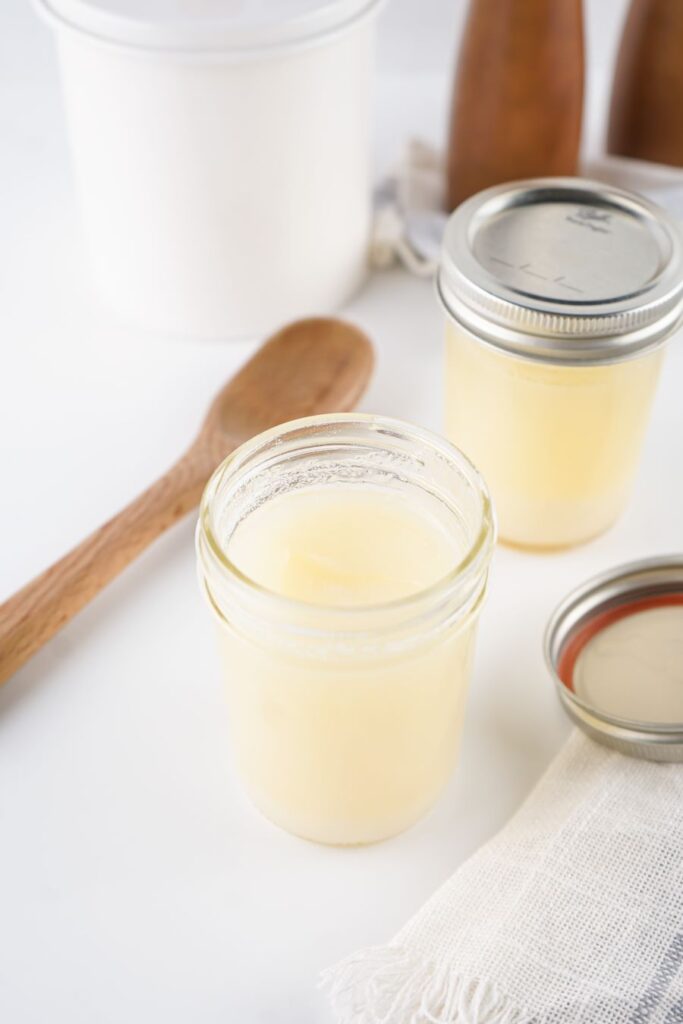
Whether you’re frying, sautéing, baking or making homemade skin products, this golden fat is a game-changer in the kitchen.
Why Make Your Own Beef Tallow?
Homemade beef tallow doesn’t just save you money—it also puts you in control of the quality. Using fresh beef fat from a trusted source ensures a cleaner, healthier product. Plus, rendering your own tallow is surprisingly simple. All you need are a few basic tools, a little patience, and a love for homemade goodness.
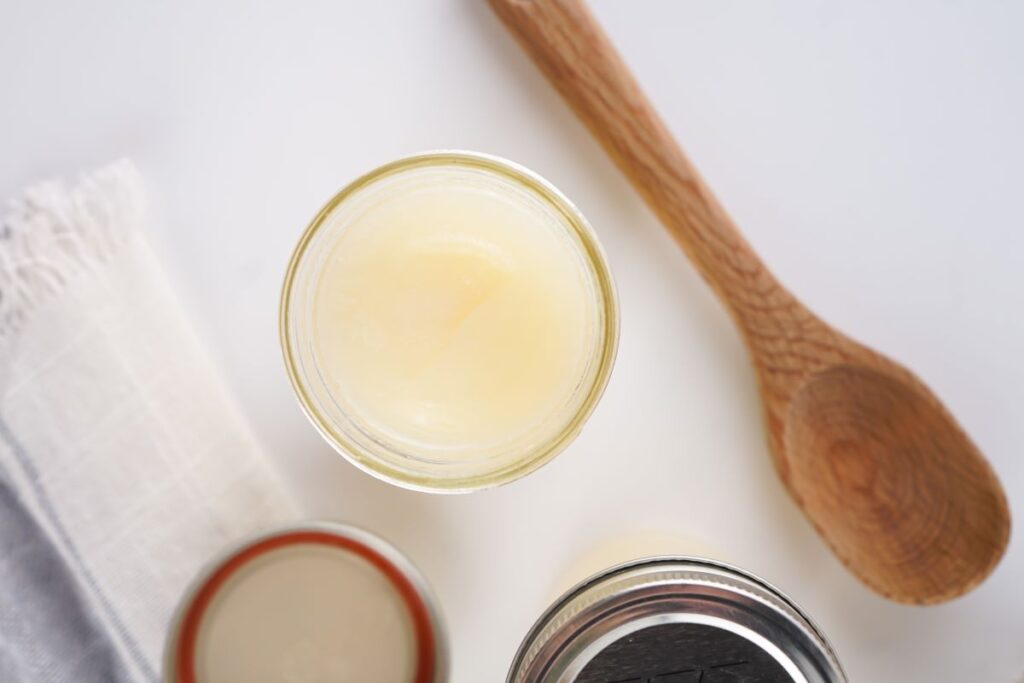
How to Make Homemade Beef Tallow
Preheat your oven to 250°F. Cut two pounds of fresh beef fat into manageable chunks, ensuring they are not in one large piece.

Place the fat chunks into an 8×8 baking dish, spreading them evenly. Bake the fat in the oven for about three hours, allowing it to slowly render into a liquid.

Once rendered, carefully remove the dish from the oven and pour the liquid fat through a fine mesh strainer into a heat-safe bowl or measuring cup, straining out any solids.
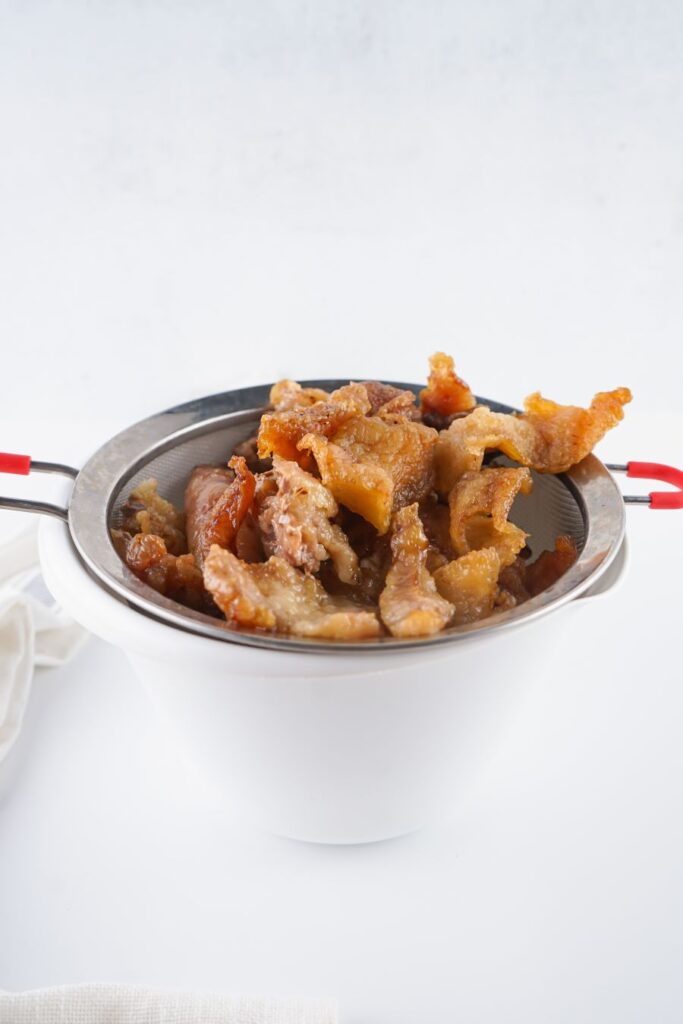
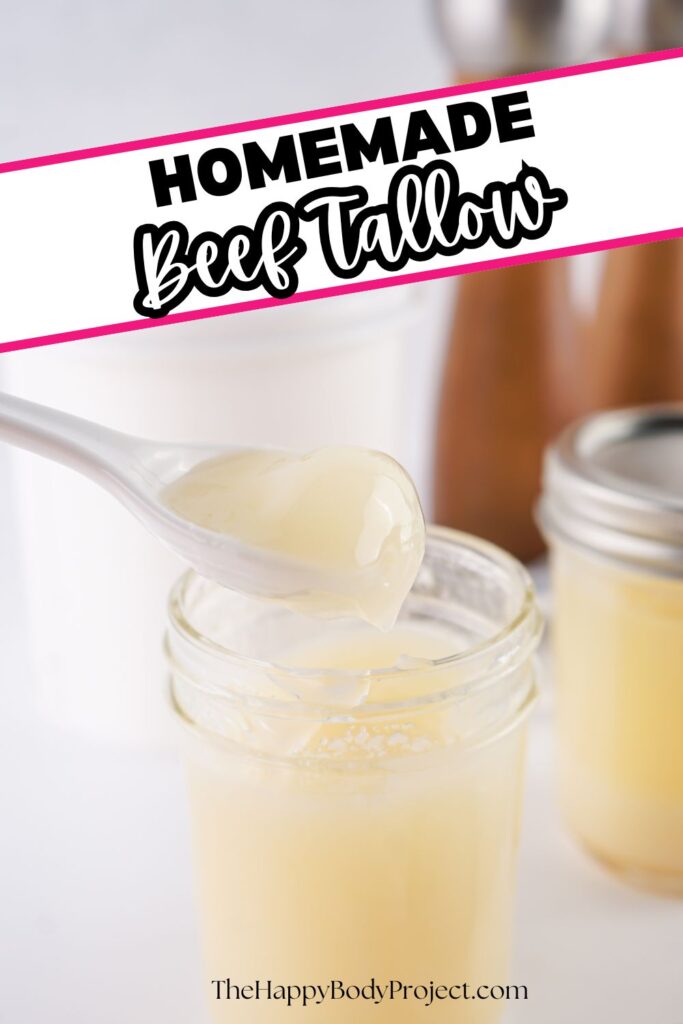
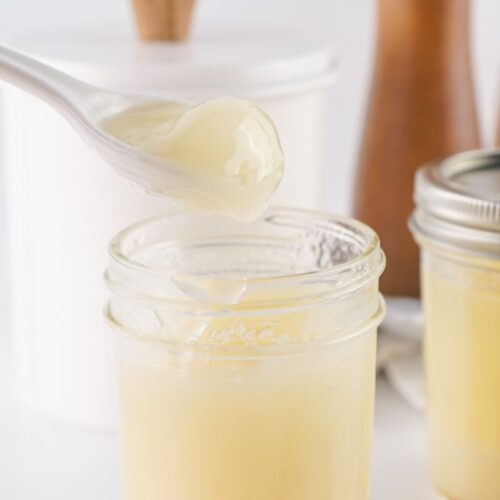
While the fat is still warm, transfer it into mason jars or similar airtight containers, securing the lids tightly. Let the jars cool to room temperature before refrigerating for at least 48 hours, or until the tallow has solidified.

Tips for Perfect Beef Tallow
Before are some tips to make your beef tallow last longer and taste its best:
- Storing for Freshness: Beef tallow is incredibly shelf-stable. When stored in a clean, airtight jar at room temperature, it can last for up to a month. For extended shelf life, refrigerate it for several months or freeze it for up to three months.
- The Upside-Down Trick: When refrigerating, placing the jar upside down helps separate any water from the fat. Once the tallow has solidified, pour off the water to keep it fresher longer.
- Texture and Consistency: Tallow behaves much like coconut oil. It becomes firm but spreadable in the fridge and softens to a creamy texture at room temperature. Both consistencies work beautifully in cooking.
- High-Smoking Point Advantage: Unlike butter or many vegetable oils, beef tallow has a high smoking point, making it ideal for frying and roasting. It adds a subtle richness to your dishes while keeping your kitchen smoke-free.

How to Use Beef Tallow
Beef tallow isn’t just for cooking—its versatility extends to a variety of non-food uses as well. Here are some ways to incorporate tallow into your kitchen and beyond:
In the Kitchen
- Frying: Its high smoking point makes it perfect for frying potatoes, chicken, or even donuts for a rich, golden finish.
- Baking: Swap it for butter or shortening in pie crusts or pastries for an irresistibly flaky texture.
- Roasting: Toss vegetables in melted tallow before roasting to add depth of flavor.
- Greasing Pans: Use tallow to grease cast iron skillets for a non-stick surface and to help season your pans.
Non-Food Uses
- Handmade Soap: Tallow is an excellent base for soap-making, offering a luxurious lather and moisturizing properties. Check out this recipe for Homemade Bar Soap to get started.
- Tallow Body Balm: Create a nourishing body balm that soothes dry skin and provides long-lasting hydration. Learn how to make your own Whipped Tallow Body Balm.
Whether you’re frying up a meal or indulging in some DIY skincare, beef tallow is a versatile and valuable addition to your home.
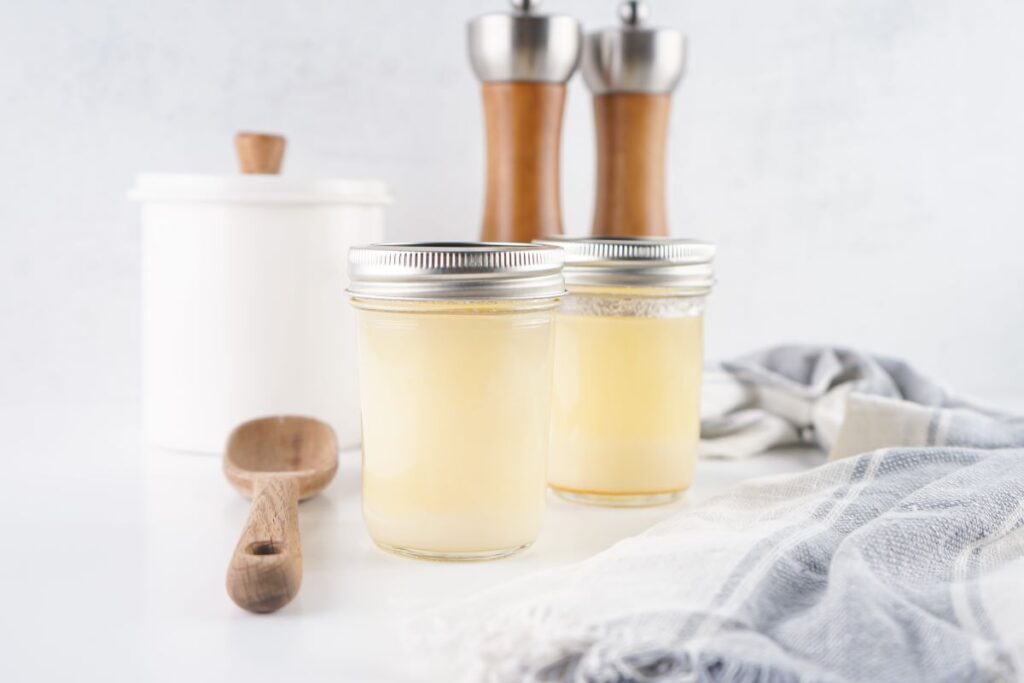
Why You’ll Love Beef Tallow
There’s something nostalgic about beef tallow—it’s a return to the traditional ways of cooking that emphasize simplicity and quality. Plus, the flavor it brings to dishes is unmatched. It’s a wholesome, natural ingredient that deserves a place in every kitchen.
So why not try your hand at making beef tallow? With just one ingredient and a few easy steps, you’ll have a versatile cooking fat ready to elevate your meals.
How to Make Beef Tallow
Equipment
- Fine mesh strainer
- Mason jars or similar containers for storage
Ingredients
- 2 pounds fresh beef fat
Instructions
- Preheat your oven to 250°F.
- Cut the beef fat into large chunks. There's no specific size required, just ensure the pieces are manageable and not in one large block.
- Place the chunks of beef fat into an 8×8 baking dish, spreading them evenly.
- Bake in the preheated oven for 3 hours, allowing the fat to slowly render.
- Remove the dish from the oven carefully, as the contents will be hot.
- Pour the liquid fat from the baking dish through a fine mesh strainer into a heat-safe, pourable measuring cup or bowl. This will help remove any solid particles.
- Immediately pour the strained liquid into mason jars or similar airtight containers, securing the lids while the fat is still warm.
- Let the jars cool to room temperature. Tighten the lids once more and place the jars in the refrigerator for 48 hours or until the tallow is fully set.